Ensure that the tape just isn't masking any areas of the design. Powdered film sheet, conveyor dryer or curing oven, protecting hand gloves. Plug the USB drive with the converted design file into the DTG printer.
A design should first be scanned into the system, which is then translated by RIP software into a set of directions that the printer can use to print it. I actually have had a lot of experience in both and I consider there's time and place for each printing method. If you’d like to be able to meet medium-to-large orders for numerous materials, then DTF is a good pick. DTF printing is a simple approach to increase your market share since you can simply print designs for all kinds of material types that cater to a broad viewers.
Consider it analogous to producing white toner printer transfers. An LED printer prints your picture onto a movie utilizing white toner printers. After “marrying,” you’ll have a tshirtsfever.com/ full-color switch that’s prepared to make use of. With screen printing, you can use a variety of ink colours and textures, and you can print on numerous forms of material, including 100 percent cotton, polyester, and blends.
Once the printer is completed auto-adjusting the platen, select the "nozzle verify" button. Select the "white" or "color" buttons within the nozzle check setting display screen to carry out the examine, and hit "print". This quantity determines the minimum amount of white ink to be laid down on our film print. Once this system opens, drag and drop the design file you wish to convert in the lower left dialogue box of the display .
It’s only a matter of cautious positioning if you warmth press it to the substrate. It still requires guide labor to cut and separate all of the printed movies, however you’ll spend much much less time preparing your shirts than DTG printing. The omission of the pretreatment process kind of offers DTF printing a major time advantage over DTG printing. With the proper tools setup in your store, a staff of two can finish a print run, from pretreatment to ultimate heat press, in an hour with six to seven shirts prepared. Further workspace optimization can easily allow you to match the 15 to twenty shirts per hour statistic.
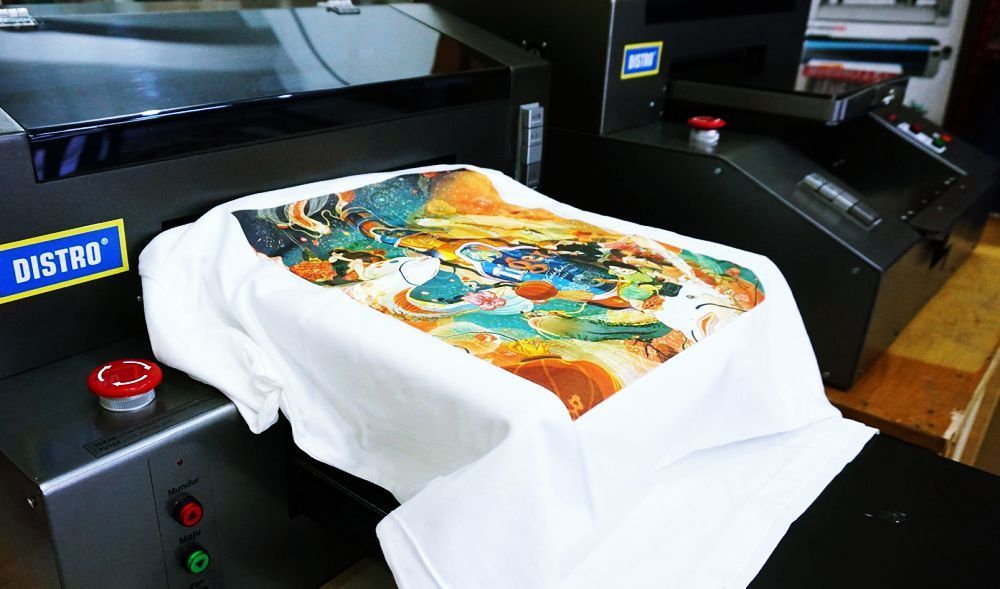
Moreover, DTF printing is economical and environmentally pleasant since it requires less ink than DTG. Maintenance is likely one of the most essential considerations when you’re excited about a printer to purchase. Both DTG and DTF printers have relatively similar upkeep cycles. However, DTF printers benefit from using much less white ink than DTG printing; white ink is the supply of many upkeep issues the place printers are involved. For such a converted printer, costs go from as low as $600 to $2,000 from numerous on-line sellers.
Making transfers is currently not an choice for house owners of direct-to-garment printers. As a end result, DTG printer homeowners are unable to participate in the complete transfer trade. Synthetics in dark hues look wonderful, they usually look glorious in shiny colors as well. Cotton shirts look great in every hue – even cheap cotton shirts! So, if you’re printing 500 shirts and only have one heat-press, every shirt application ought to take roughly 30 seconds. There is no have to pre-treat the material with DTF printing as a end result of the design is pre-printed on a film that will have to be transferred.
Mark can also be a co-host of the Custom Apparel Startups Podcast. If you have a home-based enterprise or smaller shop that sells custom Ts in the dozens, or even tons of, you must seriously consider a direct-to-garment printer. DigitalHeat FX DTF-24H2 is a great machine, it's massive whenever you embrace the dryer, and loud because of the automated shaker to apply the hot melt powder to the transfers. Dark-colored synthetics are great; completely on mild colors too.